
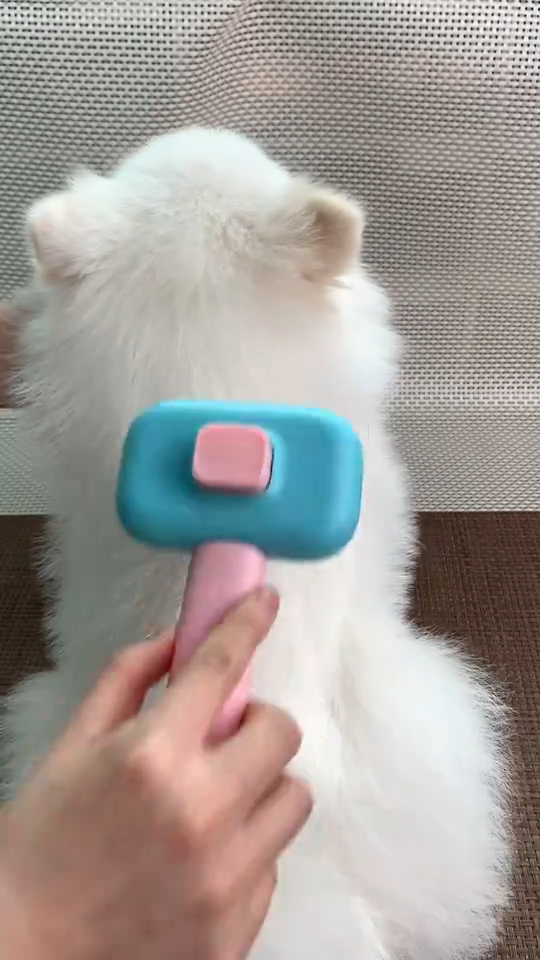
A home grooming routine can support comfort, reduce loose hair, and help you notice changes early. It does not need to be a full bath or long brushing session every week. The right routine depends on species, coat type, age, health, and tolerance for handling.
Begin with a visual and hands-on check
Look over the coat, skin, paws, ears, and areas where collars or harnesses sit. Feel gently for tangles, debris, tenderness, swelling, or new lumps. Do not diagnose changes at home; note what you find and contact a veterinarian when something is painful, persistent, or unusual.
Choose a tool for the coat
A soft brush may suit short coats, while longer or denser coats can need a comb or detangling tool. Use tools designed for pets and follow the product instructions. Work in the direction of hair growth and stop if the skin becomes irritated.
Keep sessions short
Start with an easy area such as the shoulder or back. Brush for a brief period, pause, and reward calm behavior. Several short sessions are often more comfortable than holding a worried pet in place for a long time.
Do not pull through mats
Tight mats can sit close to the skin and may hide irritation. Pulling or cutting them at home can cause injury. Ask a qualified groomer or veterinarian for help with severe matting, especially around ears, armpits, the tail, or sensitive skin.
Include paws and walking gear
Check paw pads, nails, and the fur between toes. Wipe away surface dirt and dry damp paws. Inspect collars, harnesses, and leashes for residue or wear, then clean them according to their material and care instructions.
Clean and dry the tools
Remove collected hair after each use. Wash brushes, combs, towels, and reusable cleaning tools as directed, then let them dry fully before storage. Do not share grooming tools between animals when there is a possible skin infection or parasite concern.
Know when home care is not enough
Seek professional help for persistent itching, hair loss, odor, sores, ear discharge, painful nails, skin color changes, sudden coat changes, or behavior that suggests discomfort. Routine grooming supports observation, but it does not replace veterinary or professional grooming care.
Explore dog grooming tools and cat grooming tools for calm, practical home routines.